You choose the jewelry we elevate the gifting
Understand the key differences between lab grown and natural diamonds, including origin pricing sustainability and value to confidently choose the right diamond for you.
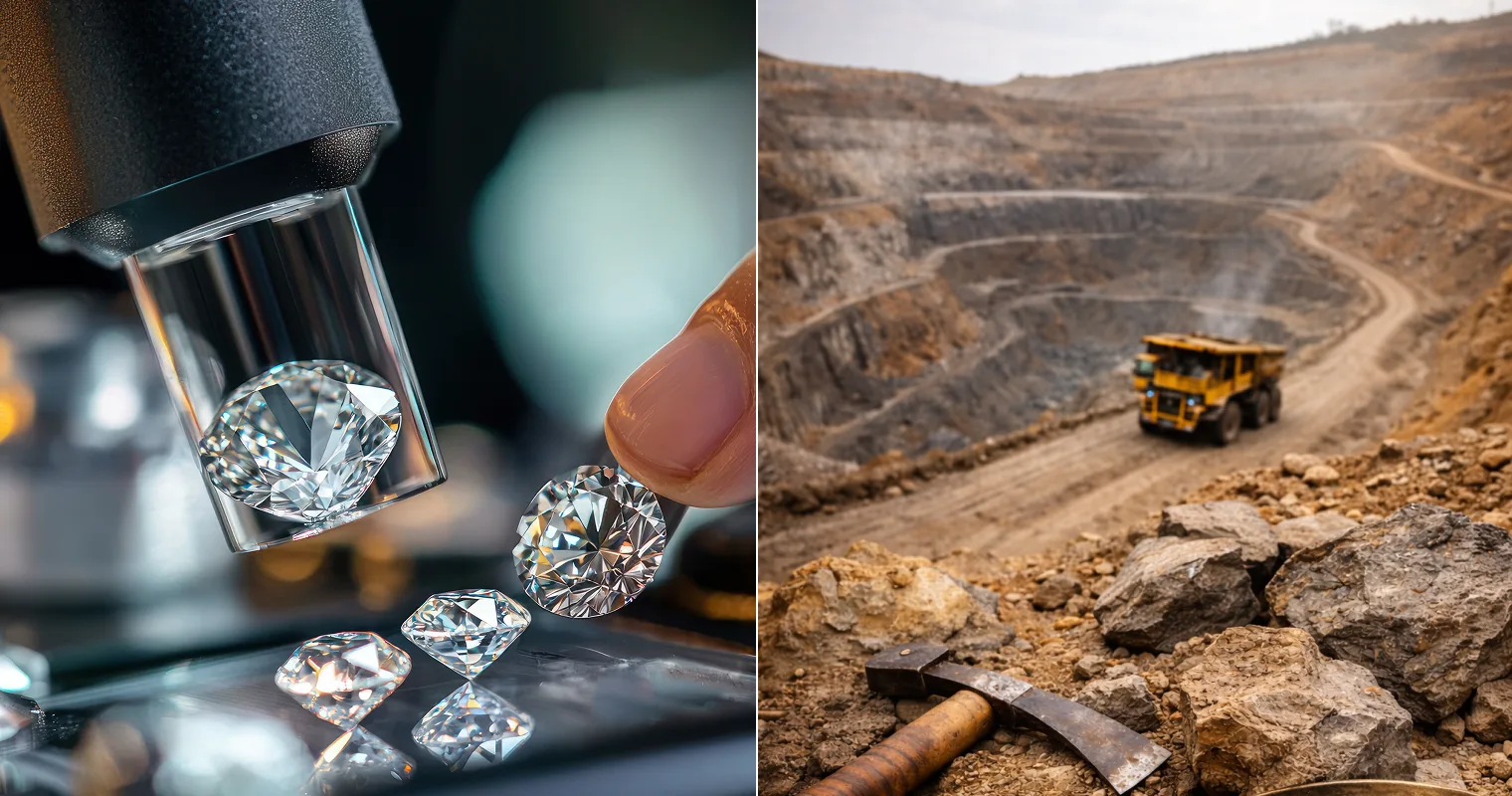
When selecting a diamond, one of the most common questions is whether to choose a lab-grown diamond or a natural diamond . Both offer brilliance, durability, and timeless beauty, yet their origin and value structure differ.
Understanding these differences helps you make an informed and confident decision.
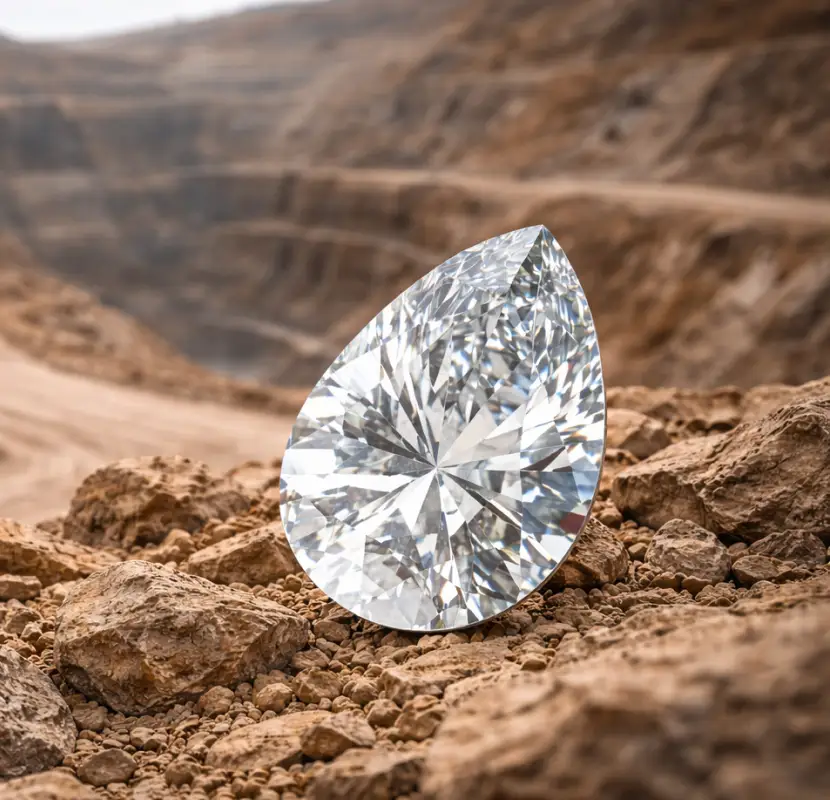
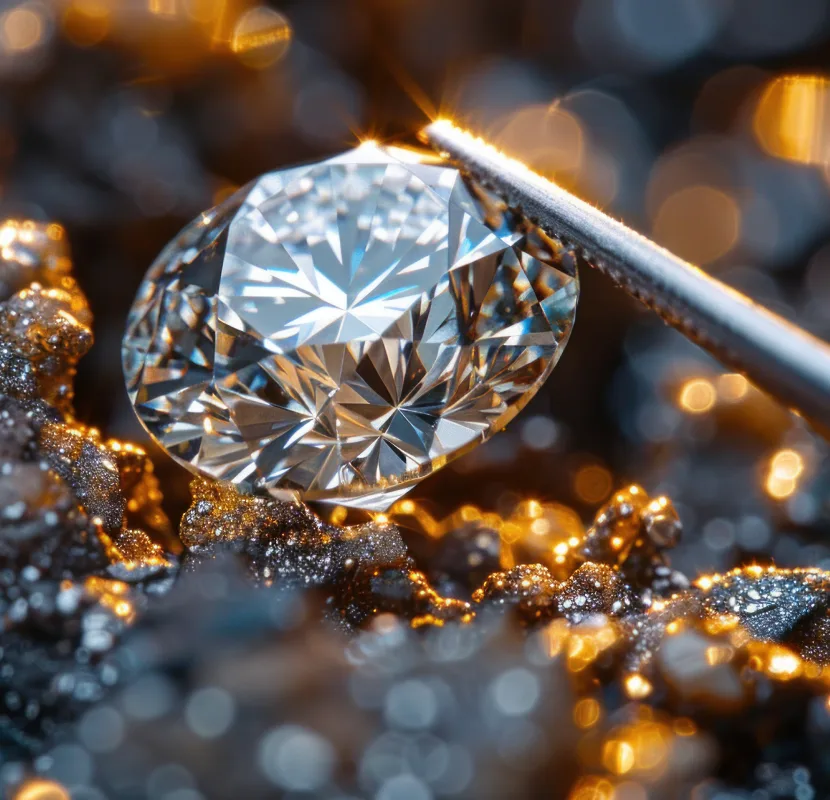
Natural diamonds are formed deep within the Earth under intense heat and pressure over billions of years. They are mined from the earth and then cut and polished for fine jewelry.
Key characteristics:
Natural diamonds carry geological history and long-standing market recognition.
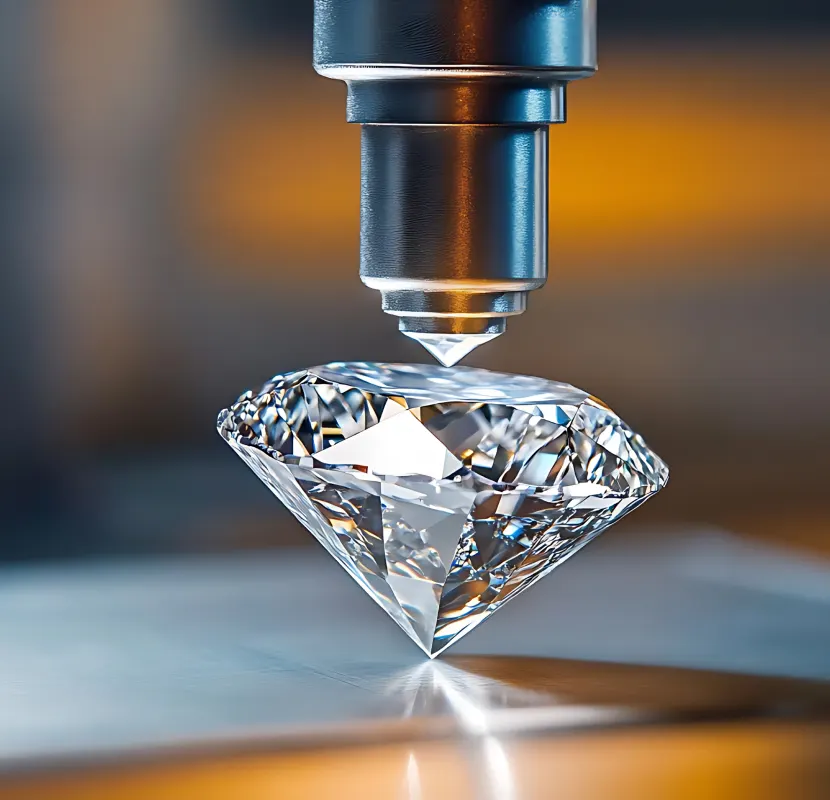
Lab grown diamonds are created using advanced technology that replicates the natural diamond-growing process in a controlled environment.
They are:
The only difference is their origin Earth versus laboratory.
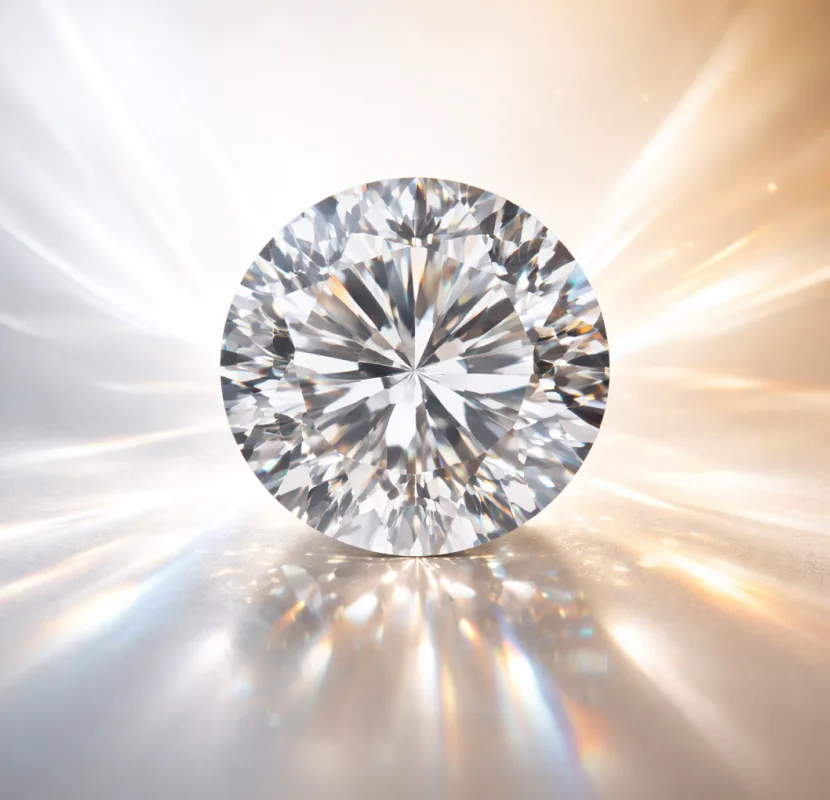
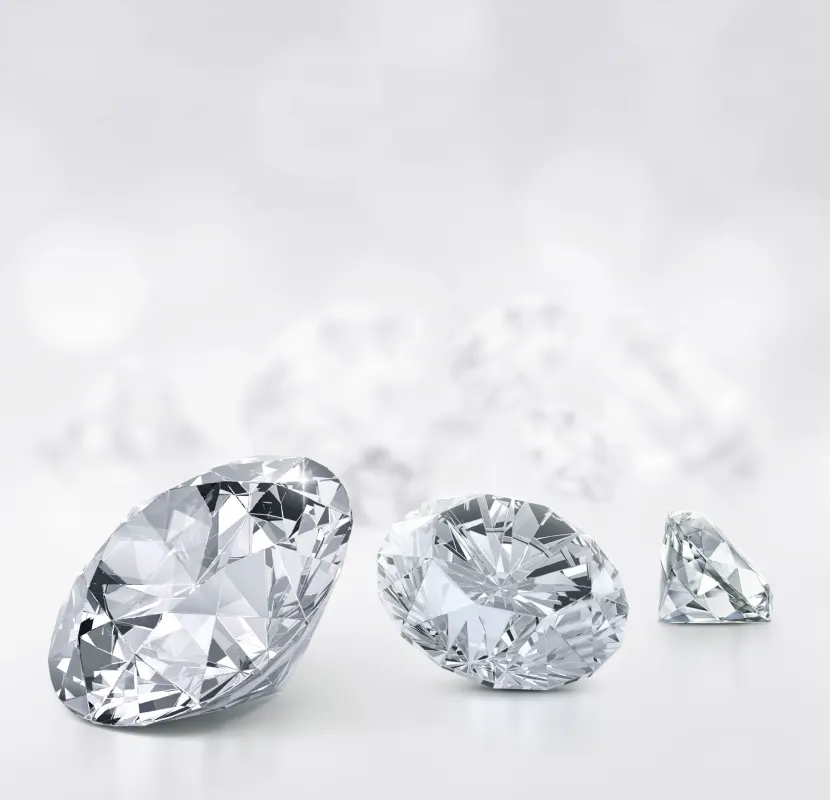
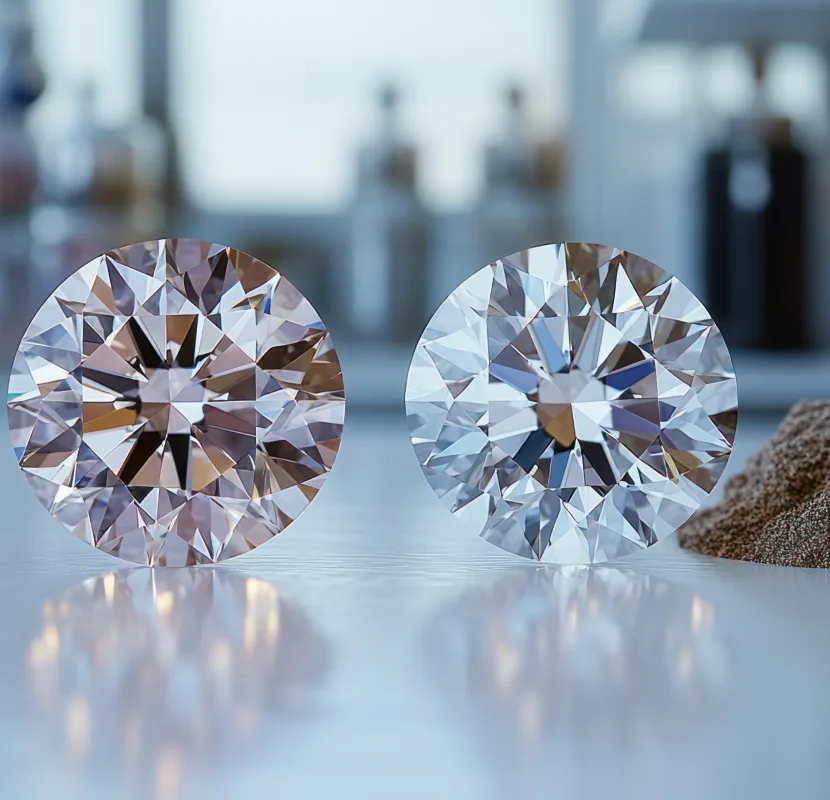
There is no visible difference between lab grown and natural diamonds to the naked eye.
Both:
Without specialized equipment, even professionals cannot distinguish them.
One of the most noticeable differences is pricing.
Lab grown diamonds typically:
Natural diamonds often carry a higher price due to mining costs and rarity perception.
Lab grown diamonds are often preferred for their transparent and controlled production process.
They offer:
Natural diamonds involve mining operations, which may raise environmental and ethical considerations depending on sourcing.
Natural diamonds historically hold traditional resale perception in certain markets.
Lab grown diamonds are primarily valued for:
Most buyers today prioritize beauty and value over resale speculation.
The right choice depends on your priorities.
Choose natural diamonds if:
Choose lab grown diamonds if:
Both options deliver exceptional brilliance when properly cut and crafted.
| Feature | Lab Grown Diamond | Natural Diamond |
|---|---|---|
| Origin | Created in advanced laboratory using controlled technology | Formed naturally beneath the Earth over billions of years |
| Chemical Composition | Identical to natural diamond | Identical |
| Physical Properties | Same hardness and durability (10 Mohs) | Same hardness and durability (10 Mohs) |
| Appearance | Visually identical sparkle and brilliance | Visually identical sparkle and brilliance |
| Grading Standards | Evaluated using the same 4Cs system | Evaluated using the same 4Cs system |
| Price | Typically more affordable | Higher due to mining and rarity |
| Environmental Impact | No mining required | Requires mining operations |
| Availability | Consistent and scalable production | Limited by natural supply |
| Resale Perception | Growing market acceptance | Traditional resale perception |
| Ideal For | Custom engagement rings modern fine jewelry | Traditional buyers valuing natural origin |
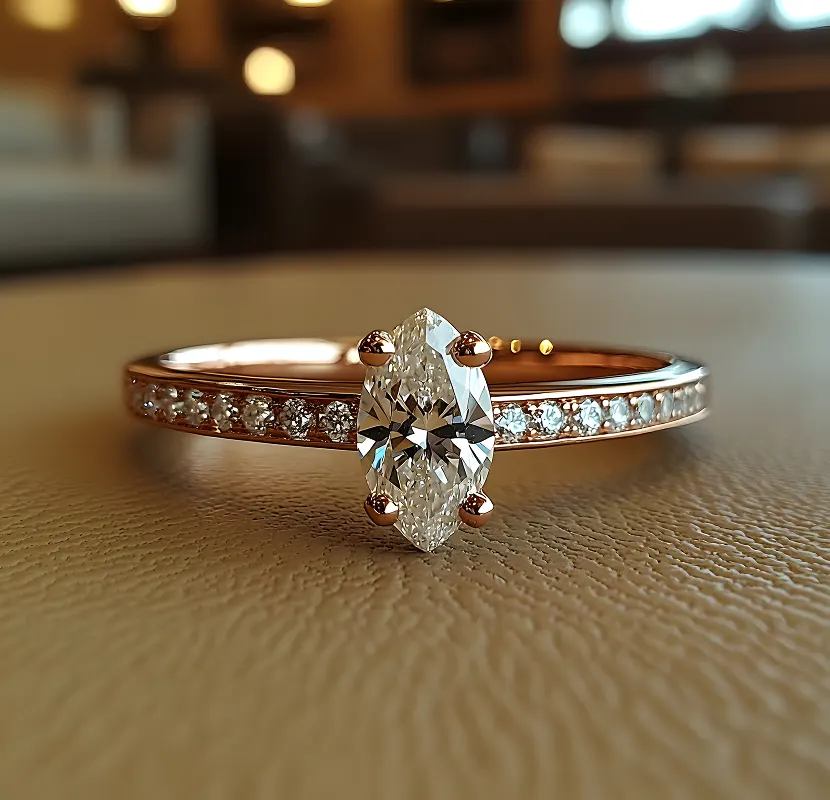
Lab grown diamonds are increasingly chosen for:
They offer flexibility without compromising beauty or durability.
The difference between lab grown and natural diamonds lies in origin not appearance or performance.
By understanding the distinctions in price, sourcing, and perception, you can select the diamond that aligns with your values, style, and long-term vision.
At Velmira, we focus on precision craftsmanship and refined design, ensuring every diamond lab grown or natural meets exceptional standards.
 (732) 581-0801